
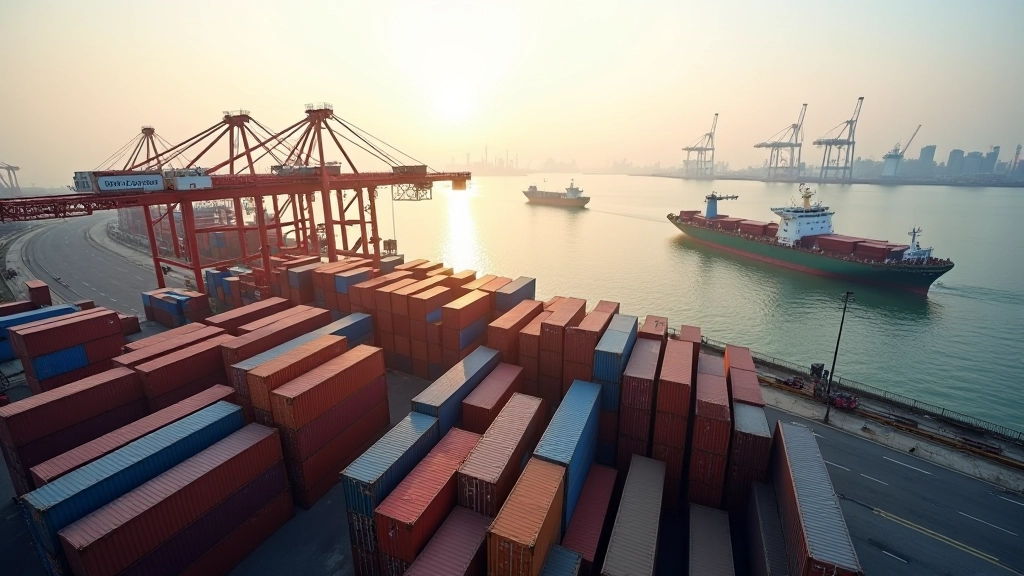
Understanding Malaysia’s Trade Balance: Current Trends and Forecasts
Analysis of Malaysia’s import-export patterns, surplus sectors, and the factors driving bilateral trade relationships with major economies.
Read AnalysisDeep analysis of trade balance, RCEP and CPTPP partnerships, palm oil and semiconductor exports, and ASEAN market positioning
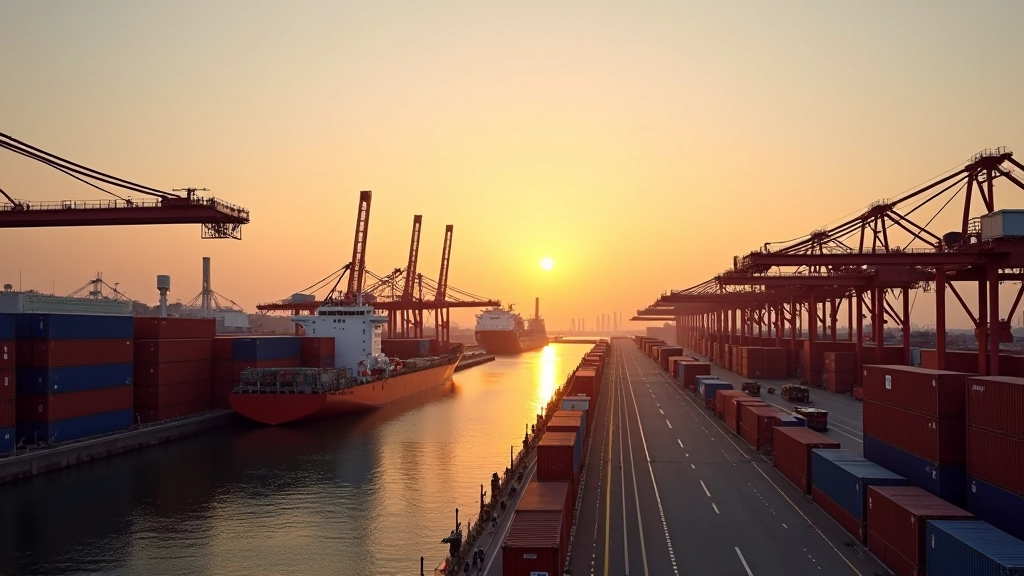
Malaysia stands as a key player in Asian trade networks, balancing traditional exports with modern technology sectors
Comprehensive analysis of import-export patterns, bilateral relationships with major economies, and sector-specific trade flows that shape Malaysia’s economic position
Explore how Malaysia leverages these two strategic trade agreements, understanding market access benefits and how both frameworks complement each other in regional strategy
Detailed examination of export volumes, sustainability standards, and evolving global demand patterns affecting Malaysia’s largest agricultural export commodity
In-depth look at Malaysia’s role in global semiconductor supply chains, technological advancement, and competitive positioning in high-value electronics exports
Malaysia’s integration into regional and global trade ecosystems
The Regional Comprehensive Economic Partnership connects Malaysia with 10 ASEAN nations plus China, Japan, South Korea, Australia, and New Zealand. This agreement significantly expands market access for Malaysian goods, particularly in manufacturing and agriculture sectors.
Malaysia’s participation in the Comprehensive and Progressive Agreement for Trans-Pacific Partnership opens doors to developed economies including Japan, Canada, and Australia. The agreement emphasizes intellectual property protection and labor standards compliance.
Both frameworks don’t compete—they complement each other. RCEP focuses on regional integration and manufacturing efficiency, while CPTPP emphasizes quality standards and market diversification for Malaysian exports.

In-depth guides to Malaysia’s international trade landscape
Analysis of Malaysia’s import-export patterns, surplus sectors, and the factors driving bilateral trade relationships with major economies.
Read Analysis
Comparison of Malaysia’s roles in RCEP and CPTPP agreements, market access benefits, and how both frameworks complement each other strategically.
Explore Comparison
Detailed overview of Malaysia’s palm oil sector, export volumes, international sustainability standards, and the evolving global demand landscape.
View DetailsKey industries driving the nation’s international trade performance
High-tech manufacturing representing one of Malaysia’s fastest-growing sectors, with sophisticated supply chain integration across Asia
Traditional yet resilient sector facing evolving sustainability demands while maintaining significant global market share
Energy sector exports leveraging Malaysia’s natural resources and refining capabilities in regional markets
Precision manufacturing segment growing through technology transfer and investment in higher-value production
Industrial equipment and machinery exports supporting regional manufacturing infrastructure development
Chemical products and plastic materials serving downstream manufacturing industries across Southeast Asia
Regional integration and market positioning within Southeast Asia
Malaysia occupies a strategic position within ASEAN, serving as both a manufacturing hub and a gateway to broader Asian markets. The nation’s geographic location, stable political environment, and developed infrastructure make it an attractive investment destination for multinational corporations.
Within ASEAN, Malaysia demonstrates strong trade interdependencies with Vietnam, Thailand, and Indonesia. Intra-ASEAN trade accounts for roughly 20% of Malaysia’s total trade volume, reflecting the region’s commitment to economic integration through various mechanisms including the ASEAN Free Trade Area (AFTA).
Malaysia hosts operations for major global semiconductor and electronics firms, creating employment and facilitating technology spillovers
Ports in Klang and Penang rank among Asia’s busiest, handling regional trade flows and serving as transshipment points
FDI inflows support modernization of manufacturing capabilities and expansion into higher-value industries
Comprehensive guides and analysis tools for understanding Malaysian trade
Detailed breakdowns of trade statistics, sectoral performance metrics, and comparative analysis with regional peers
Strategic analysis of emerging market opportunities, competitive positioning, and future growth trajectories across key sectors
Examination of trade agreements, tariff structures, regulatory frameworks, and government initiatives supporting export competitiveness
Explore our comprehensive analysis of Malaysia’s international trade landscape, from trade balance trends to sectoral performance and strategic partnerships
Get in Touch